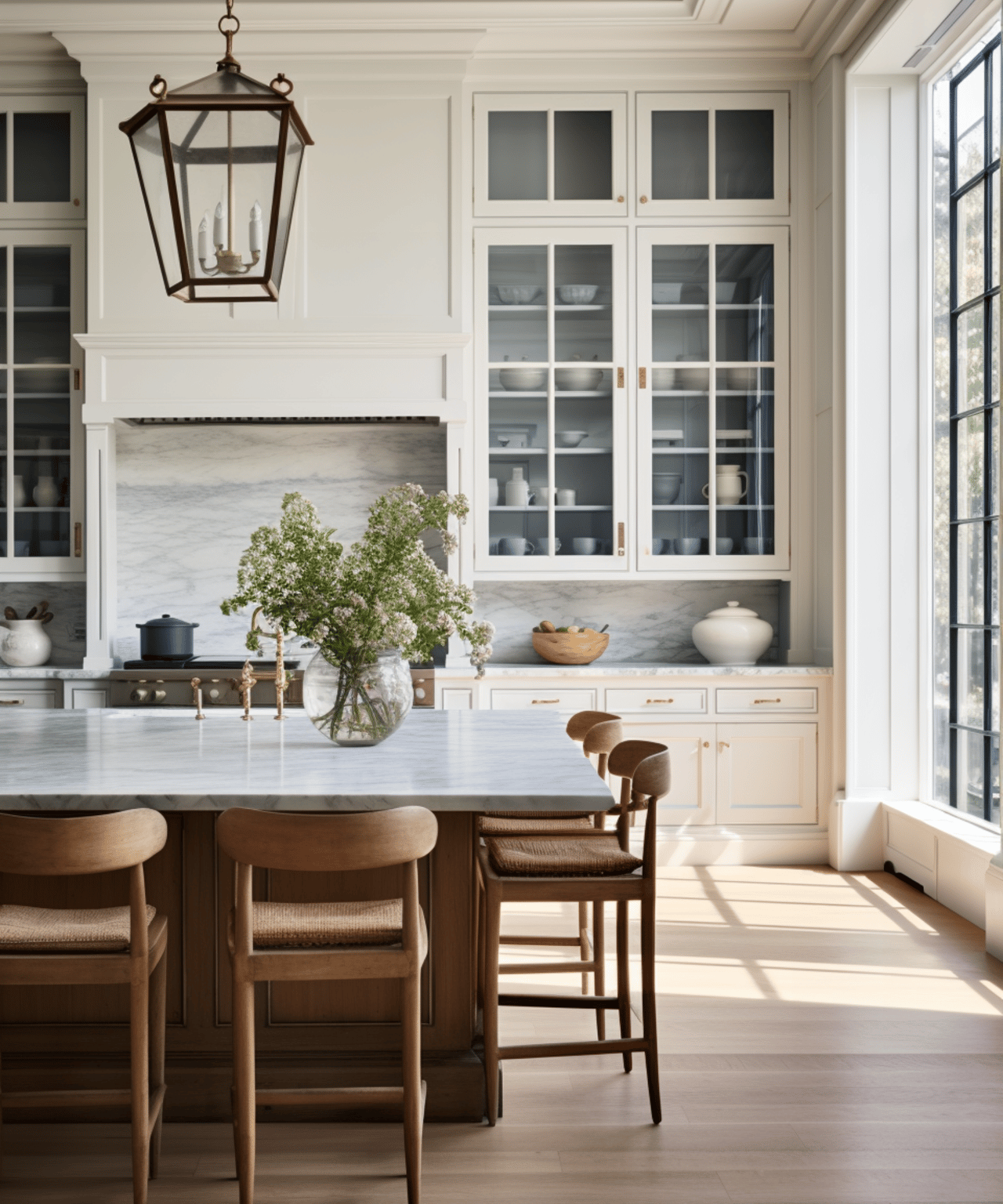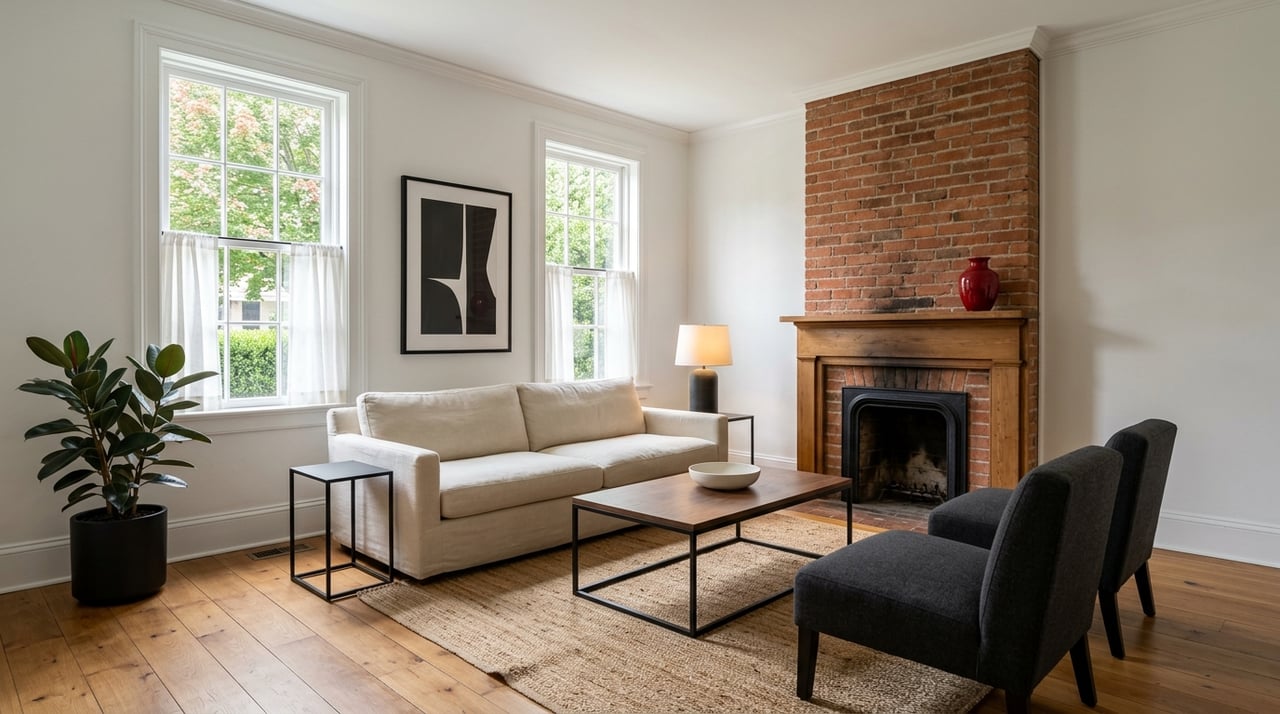
Wondering how to make a historic Shepherdstown home feel fresh to today’s buyers without stripping away the details that make it special? That is the balancing act many sellers face in one of West Virginia’s most preservation-minded markets. The good news is that smart staging can help buyers connect with your home while keeping its original character front and center. Let’s dive in.
Why staging matters in Shepherdstown
Shepherdstown is not a place where buyers expect every home to feel brand new. The town describes itself as West Virginia’s oldest town, and much of its more than 200 acres sits within the local historic district. That means buyers are often drawn to the very features that make older homes different from newer construction.
At the same time, buyers still want spaces that feel clean, functional, and easy to understand. According to the 2025 Profile of Home Staging from the National Association of REALTORS®, 83% of buyers’ agents said staging made it easier for buyers to picture a property as their future home. The same report found that 49% of sellers’ agents said staging reduced time on market.
For Shepherdstown sellers, that combination matters. You are not trying to make a Federal, Queen Anne, or Craftsman home look like a new build. You are helping buyers see how historic charm and modern living can work together.
Start with the home’s architecture
Before you move a single chair or hang a single mirror, identify what the house already does well. In Shepherdstown’s historic district, residential architecture commonly includes Federal, Queen Anne, Craftsman, and Greek Revival styles, along with several other historic forms. Each style has features that can become assets during staging.
Federal homes
Federal homes often feature symmetrical façades, 6-over-6 double-hung windows, fanlights or sidelights at the entry, decorative cornices, and small porches. Some also include paired chimneys and jack-arch lintels. When you stage these homes, symmetry should guide your choices.
Use balanced furniture layouts and keep the entry clear so buyers notice the proportions and details. If the home has sidelights or a fanlight, avoid heavy treatments that block them. A clean, uncluttered approach usually fits the architecture best.
Queen Anne homes
Queen Anne homes tend to be more layered and visually expressive. Asymmetrical façades, steep roofs, mixed exterior materials, decorative woodwork, and broad porches often give these homes their personality. Wood or leaded windows may also be key features.
Inside, staging should bring order without making the house feel flat. Choose simple furnishings that calm busy rooms and let original trim, fireplace surrounds, or window patterns stand out. On the exterior, porch furniture should frame the architecture, not compete with it.
Craftsman homes
Craftsman homes usually emphasize low rooflines, wide eaves, front porches, exposed structural elements, grouped windows, and tapered columns. Materials like wood, brick, and stone often add warmth and texture. These homes respond well to staging that feels grounded and clean.
Keep furnishings scaled to the room and avoid pieces that block grouped windows or porch views. If you have original columns, built-ins, or woodwork, make them easy to see. Buyers often respond well when the room feels both practical and architecturally honest.
Greek Revival homes
Greek Revival buildings often use a classical look, with low-pitched roofs, 6-pane windows, porch columns, and heavy cornices or broad eaves. These homes can feel formal, so staging should soften them without losing structure. That often means lightening up rooms and simplifying decor.
A restrained design approach usually works best. Too many trendy accents can feel out of place, while too little furniture can make formal rooms feel cold. Aim for warmth, scale, and visual clarity.
Focus on the rooms buyers notice most
If you are staging on a budget, start where buyers tend to focus. The 2025 Profile of Home Staging found that buyers cared most about the living room, primary bedroom, and kitchen. Sellers’ agents also most often staged the living room, primary bedroom, dining room, and kitchen.
That matters in historic homes, where room flow can be different from newer properties. Buyers may need help understanding how to use smaller parlors, formal dining rooms, or rooms with unusual layouts. Staging gives those spaces purpose.
Living room
The living room often carries the emotional weight of the showing. Arrange seating to highlight fireplaces, tall windows, built-ins, or original moldings rather than turning the room around a television. If the room is narrow or formal, use fewer pieces and leave clear walking paths.
Primary bedroom
Historic bedrooms can vary in size and shape. Keep the layout simple, use appropriately scaled furniture, and remove extra pieces that make the room feel tight. Buyers should be able to appreciate ceiling height, window placement, and natural light.
Kitchen and dining areas
You do not need to erase every sign of age to make a historic kitchen appealing. Instead, focus on cleanliness, lighting, and function. In dining rooms, define the room clearly so buyers understand how it supports everyday living or entertaining.
Let light and original details do the work
One of the biggest staging mistakes in older homes is covering up what makes them memorable. Shepherdstown’s guidance treats features like historic windows, transoms, shutters, and covered porches as functional, not just decorative. Operable windows and transoms can support cross-ventilation, and original porches are meant to be used and appreciated.
That means staging should work with these features, not hide them. Keep window treatments minimal where possible so sash, trim, and transoms read clearly. Use lamps and soft lighting to brighten rooms, but avoid creating setups that visually bury moldings, fireplaces, or millwork.
The National Park Service also notes that historic buildings often already include useful daylighting features such as operable windows, natural light sources, porches, wide eaves, and heavy masonry walls. For sellers, that is a reminder that you may not need dramatic changes to make the home feel comfortable. Often, the best move is simply to reveal what is already there.
Declutter, clean, and improve curb appeal
The most effective staging steps are often the least flashy. In the NAR report, the most common seller-side recommendations were decluttering, cleaning the entire home, and improving curb appeal. Those three steps matter even more in historic homes because details can get lost when spaces feel crowded or neglected.
Inside, remove extra furniture, personal items, and bulky decor. You want buyers to notice trim profiles, wood floors, stair rails, window shapes, and fireplace mantels. A lighter visual load helps the home feel easier to read.
Outside, focus on presentation rather than reinvention. Sweep porches, clean entry doors, tidy plantings, and place porch furnishings carefully. Since Shepherdstown discourages enclosing porches in public view and adding shutters that were not historically present, it makes sense to enhance what exists rather than introduce features that do not fit the house.
Avoid over-modernizing the home
Historic-home buyers often appreciate updates, but they usually do not want a home that feels stripped of its identity. The NAR report found that 77% of agents said TV home-design shows set unrealistic or higher expectations. That is especially relevant in a town like Shepherdstown, where architectural continuity matters.
A polished presentation does not mean forcing every room into a generic contemporary style. Instead, aim for a clean, edited look that helps buyers imagine their lives there. Neutral bedding, fresh paint where appropriate, and tasteful furnishings can go a long way without overwhelming original character.
Know when local approval matters
If you are thinking about doing exterior work before listing, timing matters. Shepherdstown’s Historic Landmarks Commission reviews Certificates of Appropriateness for exterior architectural changes in the historic district, while the town’s guidelines state that interior work does not require HLC review. The town also notes that homes in the historic district have additional materials requirements and need a Certificate of Appropriateness before a Building Permit is sought.
That distinction is important for sellers. Interior staging and cosmetic presentation can usually move forward without historic review, but exterior changes may involve a longer timeline. The town’s guidelines note that getting a COA and Project Permit can take at least a month.
If you are planning exterior improvements to porches, windows, driveways, additions, or other covered work, schedule photography and listing prep around approved timelines. That helps you avoid rushing the process or marketing the home before visible work is complete.
Pair staging with strong listing media
Staging does its best work when it is captured well. The NAR report found that buyers’ agents place high importance on photos, physical staging, videos, and virtual tours. For a Shepherdstown historic home, that means your marketing should emphasize character, light, and room flow, not just dimensions.
Professional visuals can help buyers appreciate details they might miss in a quick scroll. An entry fanlight, grouped Craftsman windows, decorative woodwork, or a welcoming front porch can all shape first impressions. When staging and media work together, the home feels more memorable from the first click to the first showing.
A practical staging checklist
If you want a simple way to think about staging a historic Shepherdstown home, start here:
- Declutter every room so original details are easier to see
- Deep clean the entire home, including windows, floors, trim, and porches
- Prioritize the living room, primary bedroom, kitchen, and dining room
- Use minimal window treatments to highlight sash, trim, and transoms
- Arrange furniture to support room flow and showcase fireplaces or built-ins
- Keep porch furniture simple and avoid blocking architectural elements
- Avoid trendy updates that compete with the home’s period character
- Confirm whether any planned exterior work needs local approval before listing
- Schedule photography after staging and any approved exterior improvements are complete
Selling a historic home in Shepherdstown is not about making it look new. It is about presenting it with enough clarity and care that buyers can appreciate both its charm and its livability. When that balance is done well, your home stands out for the right reasons.
If you are preparing to sell in Shepherdstown, The Viands Group brings boutique-level marketing, thoughtful listing presentation, and hands-on guidance to help your home shine.
FAQs
How should you stage a historic home in Shepherdstown, WV?
- Focus on decluttering, deep cleaning, highlighting original architectural details, and using simple furnishings that help buyers understand each room without hiding the home’s character.
Do historic homes in Shepherdstown need approval for interior updates before listing?
- Shepherdstown’s guidelines state that interior work does not require Historic Landmarks Commission review, but exterior architectural changes in the historic district may require a Certificate of Appropriateness.
What rooms matter most when staging a historic home for buyers?
- Based on the 2025 Profile of Home Staging, buyers respond most to the living room, primary bedroom, and kitchen, making those rooms smart places to focus first.
What architectural features should sellers highlight in Shepherdstown historic homes?
- Sellers should make features like original windows, transoms, porches, decorative woodwork, fireplaces, columns, and moldings easy to see because these details often help define the home’s style and appeal.
When should Shepherdstown sellers schedule photos for a historic listing?
- It is usually best to schedule photography after staging is complete and after any approved exterior work is finished, especially if local permits or Certificates of Appropriateness affect the timeline.