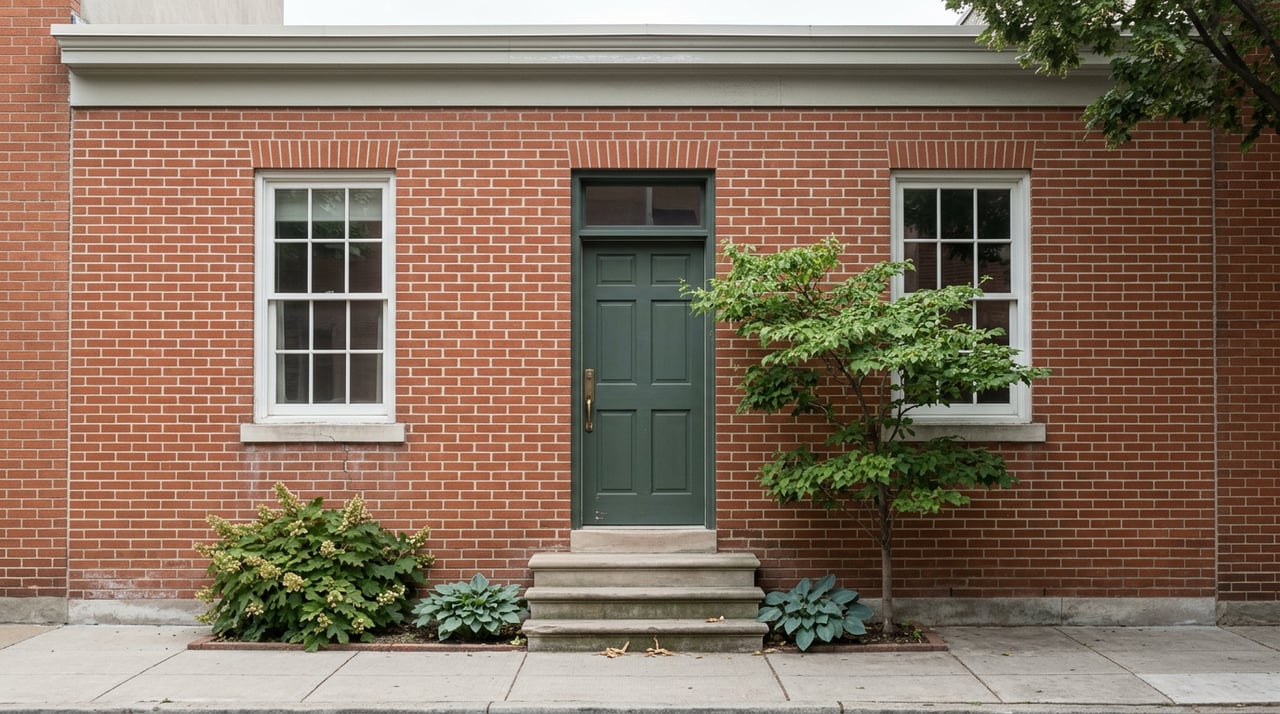
A seller in Shepherdstown can pull up three different home-value tools in the same afternoon and get three numbers that don't agree with each other by six figures. That's not a glitch. It's a symptom of something sellers here need to understand before they list: the number that determines whether your sale closes on schedule has almost nothing to do with the median price on any portal, and almost everything to do with a small municipal commission that meets once a month at Town Hall.
If you own a home inside Shepherdstown's historic district, the Historic Landmarks Commission has more influence over your timeline than the market does. Get that piece wrong, and a listing that should take 60 days can stall for weeks while paperwork catches up to work that's already been done.
The Median You're Looking At Isn't Measuring What You Think
Before the paperwork, it helps to understand why the pricing data on Shepherdstown is so inconsistent, because it changes how you should think about your own listing price.
| Source | Figure | Time window |
|---|---|---|
| Movoto | $535,000 median list price | August 2026 |
| Redfin | $700,000 median sale price | February 2026 |
| Zillow (ZHVI) | $425,933 typical home value | trailing 12 months to 2026 |
| Walletinvestor | $476,047 median list price | April 2026 |
Those numbers span a $274,000 range for the same town in the same year. That's not four different markets. It's one very small market getting measured four different ways, and each method is vulnerable to the same problem: Shepherdstown has roughly 1,757 year-round residents. A town that size doesn't sell enough houses in any given month to produce a median that behaves the way medians do in a suburb of 30,000. When two or three of Shepherdstown's larger historic-district properties close in the same window, they pull the whole month's median with them. Redfin's reported jump of over 120% year-over-year isn't a market repricing itself. It's what happens when a thin sample gets hit by a handful of high-value closings.
The practical takeaway for a seller: your comparable sales need to be filtered by architecture and lot, not by zip code. A 1900 Federal-style brick townhouse near German Street and a newer build on the edge of town are not comparable properties just because they share a mailing address, and treating a townwide median as your starting price will either leave money on the table or set an expectation the market won't support.
The Certificate Of Appropriateness Comes Before Your Buyer's Contractor Does
Here's the friction most sellers don't see coming. Much of Shepherdstown sits inside a locally designated historic district, and any exterior work on a contributing structure needs a Certificate of Appropriateness (COA) from the Historic Landmarks Commission before it can move forward, in addition to a standard building permit. That includes obvious projects like roof and siding replacement, but it also covers things sellers tend to treat as routine, like window boxes, gutters, fences, and hardscaping.
The commission meets on the second Monday of each month at Town Hall, which means the review cycle runs on its own calendar, not your closing date. If you're planning cosmetic work before listing, or if a buyer's inspection turns up something that needs exterior repair before closing, that fix has to clear the HLC before a contractor can pull a permit for it.
The fee structure tells you how the town scales its review. Minor projects such as porch railings, window boxes, gutters, downspouts, patios, and fencing run a $50 application fee. Larger changes, including window replacement, roof replacement, siding replacement, and porch enclosures, run $100. Small dollar amounts, but the review isn't about the fee. It's about materials and design matching the original.
A Historic Landmarks Commission meeting from September 2025 shows exactly how this plays out in practice. One homeowner's original wood Dutch lap siding was proposed for replacement with vinyl siding, along with a gutter size change, a project that required full commission review rather than a rubber stamp. In the same meeting, a window replacement was approved only on the condition that the new units matched the same material and design as the originals, per the district's window guidelines. A rear privacy fence was approved with specific conditions on height, materials, and gate placement. None of these were unusual requests. They're the ordinary business of a commission whose job is to keep exterior changes consistent with a district built largely between 1790 and 1920, in a mix of Federal, Queen Anne, and Craftsman styles that has stayed remarkably intact since the district's 1973 listing on the National Register of Historic Places.
If you're planning to sell a historic-district home, the sequence matters. Get ahead of any exterior repair before you list, not after an offer is already on the table and a closing date is already circled on the calendar.
What "Buyer Beware" Actually Protects You From
West Virginia doesn't require sellers to complete a state-mandated disclosure form. Legally, it's a buyer-beware state, and a seller can choose to sign a disclaimer instead of a full disclosure statement. Sellers sometimes read that as permission to skip the paperwork altogether. That's a mistake, and it's a more expensive one in a market with a housing stock as old as Shepherdstown's.
The reason is timing. A claim that you failed to disclose a known defect doesn't have to surface at closing to become a problem. It can surface two years later, when a buyer discovers a defect and the clock on their claim only starts running from the date of discovery, not the date of sale. A leaking chimney flashing or a foundation issue that shows up well after move-in can turn into a dispute over what you knew and when, and a written disclosure completed at listing is the clearest record you can produce if that question ever comes up.
West Virginia's disclosure framework also asks about categories that don't come up as often in neighboring suburban markets, most notably mineral rights. Many older West Virginia deeds separate surface ownership from subsurface oil, gas, or coal rights, and whether those rights convey with the sale is something a seller needs to state plainly rather than assume.
What Actually Turns Up In A Shepherdstown-Area Home Inspection
Inspectors working the Eastern Panhandle, including Shepherdstown and Charles Town, report a consistent set of findings in older local housing stock:
- Foundation cracks tied to settling soil and drainage patterns, more common in the region's older homes.
- Roof leaks concentrated around chimney flashing and roof valleys, particularly in homes 15 years or older.
- Outdated plumbing and non-GFCI outlets in wet areas.
- Electrical panels that haven't been updated since the 1970s, which show up as overloaded circuits during inspection.
None of these are unusual for a home built before 1920, and none of them should derail a sale on their own. What they do is give a buyer's inspector a long list to work from, and every item on that list is a negotiating point unless you've already addressed it in writing. A pre-listing inspection puts you in control of that conversation instead of reacting to it during a contract period with a closing date already attached.
Pricing With The Paperwork Already Handled
Put the two threads together and the thesis is simple. In a market this small, the portal median tells you almost nothing about what your specific house is worth, and the number that actually protects your timeline and your sale price is the one attached to your paperwork, not the one attached to the town. A historic home that already has its HLC certificates on file for past exterior work, a completed pre-listing inspection, and a disclosure statement that accounts for well-known issues like older wiring or a chimney repair is a cleaner file for a buyer's agent to underwrite quickly. That file moves faster through underwriting and closing than one where every question gets answered for the first time during the inspection period.
That's the difference between a Shepherdstown listing that closes on the date in the contract and one that gets renegotiated in week three.
FAQ
Does the Historic Landmarks Commission review interior work too? No. HLC guidelines apply only to exterior changes visible from the public right of way. Interior renovations don't require a Certificate of Appropriateness.
If a past owner did exterior work without a COA, does that follow the house at sale? Unpermitted exterior work can surface during a buyer's due diligence or a future permit application, so it's worth confirming COA history on any past siding, window, or roof work before you list, rather than after a buyer's attorney asks about it.
Is a written disclosure statement worth completing even though West Virginia doesn't require one? Given the two-year discovery window on nondisclosure claims, a completed disclosure statement is one of the more effective ways to put your knowledge of the property's condition on record before closing.
If you're weighing a sale in Shepherdstown's historic district, The Viands Group can walk you through the Certificate of Appropriateness process, pull comps filtered to your architectural cohort instead of a townwide median, and help you build a disclosure file that holds up long after closing day. Request your free home valuation to start the conversation.