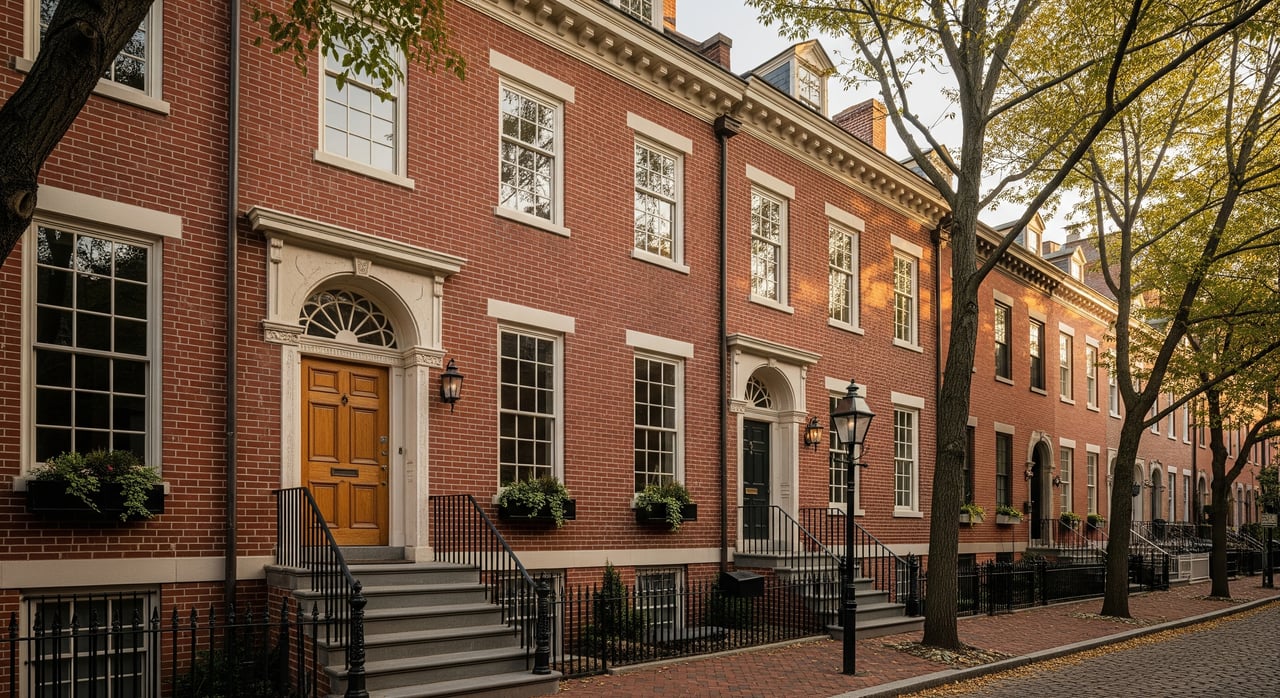
Thinking about updating a downtown Frederick home with historic charm? Renovating in the Historic District can feel complex at first. You want to protect the character you love, move your project forward on time, and avoid costly do-overs. In this guide, you’ll learn how approvals work, what materials are favored, key timelines, and smart planning tips that help you renovate with confidence. Let’s dive in.
How Frederick’s rules work
The City of Frederick’s Historic Preservation Commission, or HPC, oversees exterior changes to properties in the Historic District when those changes are visible from public streets. The local preservation ordinance is what guides what you can do, not the national listing alone.
Properties downtown are also part of nationally recognized historic resources, but National Register status is mostly honorific for private owners. The HPC uses the Secretary of the Interior’s Standards for Rehabilitation as a baseline. These standards ask you to repair rather than replace, retain original materials when you can, and keep new work compatible and reversible where possible. You can review the Standards on the National Park Service’s Technical Preservation Services pages at the NPS Technical Preservation Services site.
In practical terms, the HPC often reviews changes to building façades, storefronts, porches, windows and doors, roofs that are visible from the street, masonry treatments, and signage attached to historic materials. Interior work and exterior changes that are not visible from a public way are often outside review, but it is still smart to confirm with staff before you start.
Projects that trigger review
Windows and doors
- The preferred path is repair first. Original sash, muntins, and hardware should be kept and restored when feasible.
- If you must replace, new units should match the originals in profile, sightlines, operation, and divided-light patterns. Painted wood is often preferred. High-quality alternatives that closely match the look may be considered.
- Vinyl windows on primary elevations are commonly discouraged because they change proportions and profiles. If you propose non-wood replacements, be ready to prove visual equivalence.
- Slim-profile storm windows are a proven way to improve energy performance without losing historic fabric. These are often encouraged.
- Doors should be retained and repaired when possible. Replacement doors on front façades should match historic style, paneling, and glazing. Modern flush or metal doors are usually not appropriate on primary elevations.
Masonry and mortar
- Use mortar that matches the original in strength, color, texture, and tooling. For older brick and stone, softer lime-based mortar is often needed. Hard, high-Portland mixes can damage historic masonry.
- Avoid abrasive cleaning and harsh chemicals. Sandblasting and similar methods can erode the surface and are typically prohibited. Gentle, tested cleaning is the norm.
- When replacing damaged brick or stone, match the unit closely. Large-scale replacement can trigger stricter review.
Siding and trim
- Keep existing cladding and trim if you can. When replacement is needed, choose materials that replicate historic profiles and textures.
- Vinyl or aluminum siding is often discouraged on street-facing elevations. It may be considered on rear or non-visible sides.
- Maintain character-defining details like cornices, brackets, and trim. If you replace them, match the originals in scale and detail.
Roofs and chimneys
- Visible roof materials like slate, standing-seam metal, or historically appropriate shingles are reviewed. Replacements should be visually similar, especially where visible from the street.
- Place new penetrations, skylights, and vents out of public view when possible. Keep them low-profile and reversible.
- Repair chimneys with compatible materials and techniques. Removal or major changes usually need approval.
Porches, storefronts, signs, and awnings
- Porches and storefronts are signature elements in downtown Frederick. Keep original columns, railings, and storefront frames whenever possible.
- New signs and awnings are reviewed for size, placement, materials, and how they attach to historic fabric. Painted wood signs and canvas awnings that complement the façade are often preferred.
Modern systems and energy upgrades
- Solar panels are typically supported when placed on rear roof slopes or areas not visible from the street. Low-profile and reversible mounting systems are encouraged.
- Mechanical units should be sited to limit visibility. Screening may be required.
- Accessibility upgrades like ramps and lifts are encouraged when discrete and reversible. Early staff input helps align design and preservation goals.
- Most interior energy work does not trigger review. Exterior-visible energy changes, like cladding and replacement windows, usually do.
What to expect from the process
Approval steps
- Pre-application consult: Start with a conversation with City preservation staff. They can confirm what needs review and what staff can approve administratively.
- Application packet: Provide clear photos of existing conditions, scaled drawings of proposed work, and manufacturer cut-sheets or samples for replacement components. If you propose replacement, include documentation that repair is not feasible.
- Staff vs. commission: Minor in-kind work can often be approved by staff. Larger changes go to a public hearing where the HPC issues a decision that may include conditions.
- Building permits: After HPC approval, you may still need building or trade permits from the City or County before work begins.
Timelines to plan for
- Administrative approvals can take days to a few weeks if your application is complete.
- Commission reviews typically take several weeks to a couple of months, depending on meeting schedules and submission deadlines.
- Complex projects and demolition reviews can take longer. Plan for added time for permitting and contractor scheduling after approvals.
Documentation you will need
- Current photos of each elevation and the specific areas you plan to change.
- Scaled drawings showing existing and proposed conditions.
- Cut-sheets for windows, doors, roofing, and other materials.
- Contractor or specialist reports that show why repair is not feasible when you seek replacement.
Planning tips for buyers
If you are shopping in downtown Frederick and you plan exterior updates, build these steps into your due diligence:
- Verify whether the property is inside the Historic District and ask about any prior HPC approvals or enforcement actions.
- Include a contract contingency that allows time for a pre-purchase consultation with City preservation staff or a qualified preservation architect.
- Budget for preservation-sensitive work. Repairs like window restoration and lime mortar repointing may cost more than standard replacements but help protect value.
- Sequence your improvements. Focus on urgent maintenance first so the home stays protected while you plan larger projects.
Renovation tips for owners
- Start early with staff. A short pre-application meeting can confirm what is likely to be approved and what documentation you need.
- Choose experienced pros. Contractors who understand historic materials, repair-first methods, and HPC expectations can save time and rework.
- Keep it compatible. Match profiles, sightlines, and textures. Small details matter in a historic context.
- Plan the order of work. Address roofs and water management first, then masonry and wood repairs, then paints and finishes.
- Document everything. Maintain your approvals and material specs with your house records. Buyers often ask for them.
Incentives and compliance
Tax credits and grants
For income-producing historic properties, you may qualify for the Federal Historic Tax Credit, administered with state partners. Maryland also offers state-level incentives and programs through the Maryland Historical Trust. Confirm current eligibility and application steps with the state at the Maryland Historical Trust website, and review federal guidance through the NPS Technical Preservation Services site.
Local façade grants or low-interest programs may be available for certain commercial properties. Check with City of Frederick economic development and planning offices for current offerings.
Enforcement basics
Noncompliance with the local preservation ordinance can lead to stop-work orders, fines, or required remediation. The City can also address “demolition by neglect” when properties are not properly maintained. If you realize work started without approval, contact staff promptly to discuss next steps.
Resale and value
Well-executed preservation is a strong selling point in downtown Frederick. Buyers are drawn to intact wood windows, original porches, brickwork with proper mortar, and historically appropriate roofs. Sensitive upgrades that respect the façade help homes show beautifully and support long-term value.
On the other hand, highly visible changes that do not fit the historic context can limit appeal. Examples include vinyl windows on front elevations or removal of character-defining porch elements. Keep approvals and maintenance records organized to avoid surprises when you sell.
Local resources
- City of Frederick Historic Preservation staff and HPC: Find local ordinances, design guidelines, application forms, and meeting calendars on the City’s Planning and Historic Preservation pages. Contact staff early to confirm requirements.
- National Park Service, Technical Preservation Services: Read the Secretary of the Interior’s Standards for Rehabilitation and browse Preservation Briefs on windows, masonry, storefronts, and more at the NPS Technical Preservation Services site.
- Maryland Historical Trust: Explore state incentives and technical guidance at the Maryland Historical Trust website.
Ready to talk through how historic rules might affect your purchase or sale strategy downtown? Reach out to The Viands Group for local guidance and a marketing-led plan tailored to your goals.
FAQs
Do I need approval for exterior work in Frederick’s Historic District?
- If the change is visible from a public street, you likely need HPC review; minor in-kind repairs may be approved administratively, so confirm with City staff before starting.
Can I install vinyl windows on a historic home in Frederick?
- Vinyl is commonly discouraged on primary façades; repair-first is preferred, and any replacement must closely match original profiles and appearance.
How long does HPC approval take in Frederick?
- Administrative reviews may take days to weeks; commission hearings usually take several weeks to a couple months, plus time for permits and scheduling.
Are there tax credits for renovating historic properties in Maryland?
- Income-producing properties may qualify for federal credits, and Maryland offers state programs; check the Maryland Historical Trust website for current details.
Can I add solar panels in Frederick’s Historic District?
- Often yes, when panels are low profile and placed out of public view; consult staff early to discuss siting and mounting.
What is demolition by neglect in Frederick’s Historic District?
- Owners must maintain historic properties; failing to do so can trigger enforcement and required remediation under local rules.