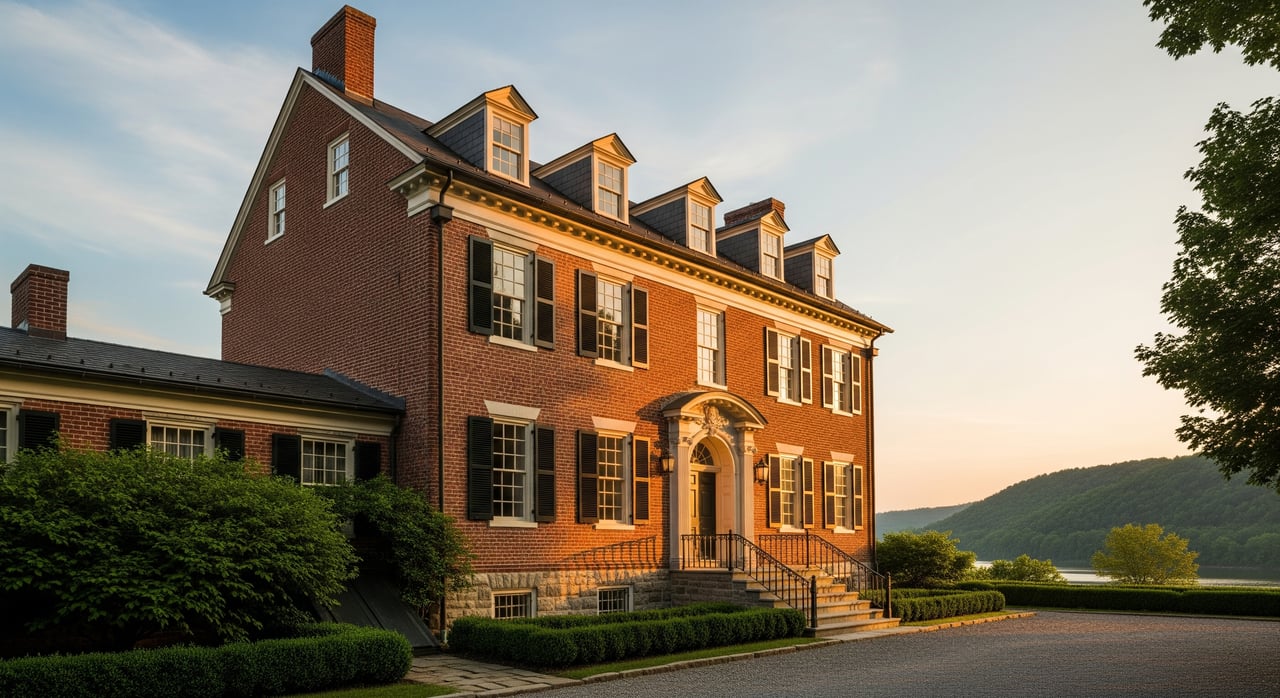
Thinking about selling a historic home in Shepherdstown but not sure how to price it? You’re not alone. Period homes in ZIP 25443 are unique, and small differences in condition, provenance, and permitted improvements can swing value more than you’d expect. In this guide, you’ll learn how to price with confidence using a clear framework built for Shepherdstown’s historic market and buyer pool. Let’s dive in.
Start with the local market reality
Shepherdstown sits in Jefferson County, West Virginia, within the Washington–Arlington–Alexandria, DC–VA–MD–WV region. That regional reach helps demand, but your buyer pool is still niche. Many buyers seek authentic historic character, while others want modern function with sensitive updates.
Homes in or near the town’s National Register historic district face specific review rules for exterior changes. That oversight can reassure preservation‑minded buyers and affect price for those who value authenticity. It can also narrow options for certain renovations, which some buyers weigh when deciding what to pay.
The four value drivers in 25443
Condition and maintenance
Buyers and appraisers focus on structure, roof, water intrusion history, and major systems like HVAC, electrical, and plumbing. Visible deterioration shrinks the buyer pool and adds time on market. Cosmetic issues are often fine, but roof or foundation problems invite bigger discounts.
Historic repairs can cost more because they require specialized trades and matching materials. A pre‑listing inspection and a prioritized estimate from a contractor experienced with historic work can protect your price and reduce surprises.
Provenance and historic significance
Provenance includes architectural integrity, original features, and documented ties to local history. Clear, well‑organized documentation can support a premium among buyers who value authenticity. Provenance can also improve eligibility for certain incentives when a property is listed or contributing, which some buyers factor into value. Be aware that some buyers perceive added obligations and may bid more conservatively.
Updates within preservation guidelines
Thoughtful updates that follow recognized standards and local approvals usually boost value. Examples include new systems that respect historic fabric, cellar waterproofing, and kitchens or baths upgraded without removing character features. Incompatible changes, like siding that hides original materials, can lower buyer confidence and price. If work was approved with a Certificate of Appropriateness, highlight that to reduce uncertainty.
Buyer pool and preferences
Your likely buyers include preservation‑minded owners, pragmatic movers who want function first, university‑related buyers, investors, and second‑home seekers from the broader DC area. In a small town, audience size matters. A narrow buyer pool can extend time on market and force steeper price cuts if you overreach early. When regional demand is strong, the premium for historic charm can widen your range.
A step‑by‑step pricing framework
Step 1: Establish a market baseline
Pull recent active, pending, and closed sales in 25443 with similar lot size, living area, and era. If close comparables are scarce, note your adjustments and lean on nearby historic sales with caution.
Step 2: Adjust for condition and function
Create a repair list with costs for structure, roof, systems, and moisture issues. Subtract realistic remediation costs from your baseline to set a defensible range. For major structural items, consider a larger discount or “as‑is” pricing.
Step 3: Add or subtract for integrity and provenance
Add value for intact features in good condition, strong documentation, and contributing status that supports incentives. Subtract for lost character‑defining elements or non‑compliant alterations that may need reversal.
Step 4: Factor in permitted improvement potential
Clarify what the town’s historic review will allow. If sympathetic additions or modernizations are likely, that improvement path can support price. If restrictions limit future changes, apply a small liquidity discount to reflect a narrower buyer pool.
Step 5: Account for buyer‑pool size and timing
If your home appeals to a narrow group, price with a realistic window and prepare for a longer marketing period. If demand from DC‑area and university‑adjacent buyers is strong, you can list toward the upper end of your range and test interest.
Step 6: Finalize a list range and a net target
Set a confident list price and a realistic “as‑is” net after typical concessions. Consider a staged plan: launch at the high end with impeccable documentation, then adjust if early feedback shows limited engagement.
What to prepare before you list
Use this checklist to reduce buyer uncertainty and support a stronger price:
- Recent professional inspection focused on structure and systems
- Detailed maintenance and repair records with contractor invoices
- Provenance file with historic photos, deeds, and prior research
- Copies of permits and Certificates of Appropriateness
- Survey or plat, plus any floodplain, easement, or preservation‑easement documents
- Energy or safety reports if available, such as electrical upgrades or lead testing
- Itemized estimates for foreseeable repairs or recommended preservation work
Appraisals, financing, and insurance
Appraisal approach for historic homes
Appraisers rely on comparable sales, but true peers can be scarce. They may also consider the cost to reproduce certain features and, where relevant, income potential. Help your appraiser by providing provenance documentation and recent invoices for specialized work so they can support adjustments.
Financing checkpoints
Lenders can require repairs if safety or habitability is at risk. Older homes sometimes trigger these requests, especially with FHA or VA loans. Some buyers use renovation‑friendly financing to widen options, but that can add steps and timing complexity.
Insurance considerations
Older materials and specialty craftsmanship can raise premiums. Document upgrades like new wiring, roof improvements, or fire‑safety measures to help insurers assess risk more favorably.
Preservation rules and incentives
Historic designation comes in two forms that matter for pricing: National Register recognition and local historic district rules. National Register status can enable federal rehabilitation tax credits for certified work on income‑producing properties. Local districts often require a Certificate of Appropriateness for exterior changes visible from public ways.
State and local incentives vary. The best path is to verify current programs and processes with the Town of Shepherdstown, the West Virginia State Historic Preservation Office, and federal guidance for certified rehab. If your property has a preservation easement, understand that it can offer tax benefits but may limit future changes, which affects market value.
Smart marketing for a niche buyer pool
Your listing needs to speak to two truths. First, the buyer pool is specialized. Second, the DC‑area reach expands your chances if you present the story well. Strong photography, clear documentation, and concise narratives about provenance and updates help preservation‑minded buyers feel confident.
Working with a team that markets across Maryland and West Virginia can also help you tap metro‑area demand. Cross‑border exposure, refined presentation, and process‑driven coordination reduce friction for out‑of‑area buyers and support stronger pricing.
When to revisit price
Give your launch plan enough runway to reach the right buyers, but pay attention to early signals. If showings are light or feedback centers on the same cost‑to‑cure issues, consider addressing the top item or adjusting to the heart of your range. If interest is strong but offers are cautious, clarifying approvals, system ages, and repair estimates can bridge the gap without a major reduction.
Ready to price your Shepherdstown historic home?
If you want a pricing plan tailored to your home’s condition, provenance, and buyer pool, we’re here to help. Get a documented strategy, premium marketing, and calm, process‑driven guidance from The Viands Group. Request your free home valuation and move forward with confidence.
FAQs
How do I know if my Shepherdstown home is in a historic district?
- Check with the Town of Shepherdstown’s planning or historic review office and review National Register listings to confirm district status and whether your property is contributing or non‑contributing.
Does provenance really change my sale price in 25443?
- Clear documentation of historic significance and intact original features can support a premium among buyers who value authenticity, though some buyers may weigh added obligations.
Which updates add value in a historic home sale?
- Sympathetic, code‑compliant upgrades that respect character, like system modernizations or sensitive kitchen and bath improvements, typically broaden appeal and support price.
Can non‑compliant alterations hurt my value?
- Yes. Incompatible or unapproved changes can reduce perceived authenticity and shrink the buyer pool, and they may require future remediation that affects price.
Are there tax credits for historic homes in Shepherdstown?
- Federal rehabilitation tax credits commonly apply to certified work on income‑producing historic properties. Confirm eligibility and current rules with state and federal preservation offices.
How does the DC metro area influence my pricing?
- Proximity to the Washington–Arlington–Alexandria region expands your buyer pool, but pricing still reflects a niche market where condition, provenance, and permitted improvements carry extra weight.