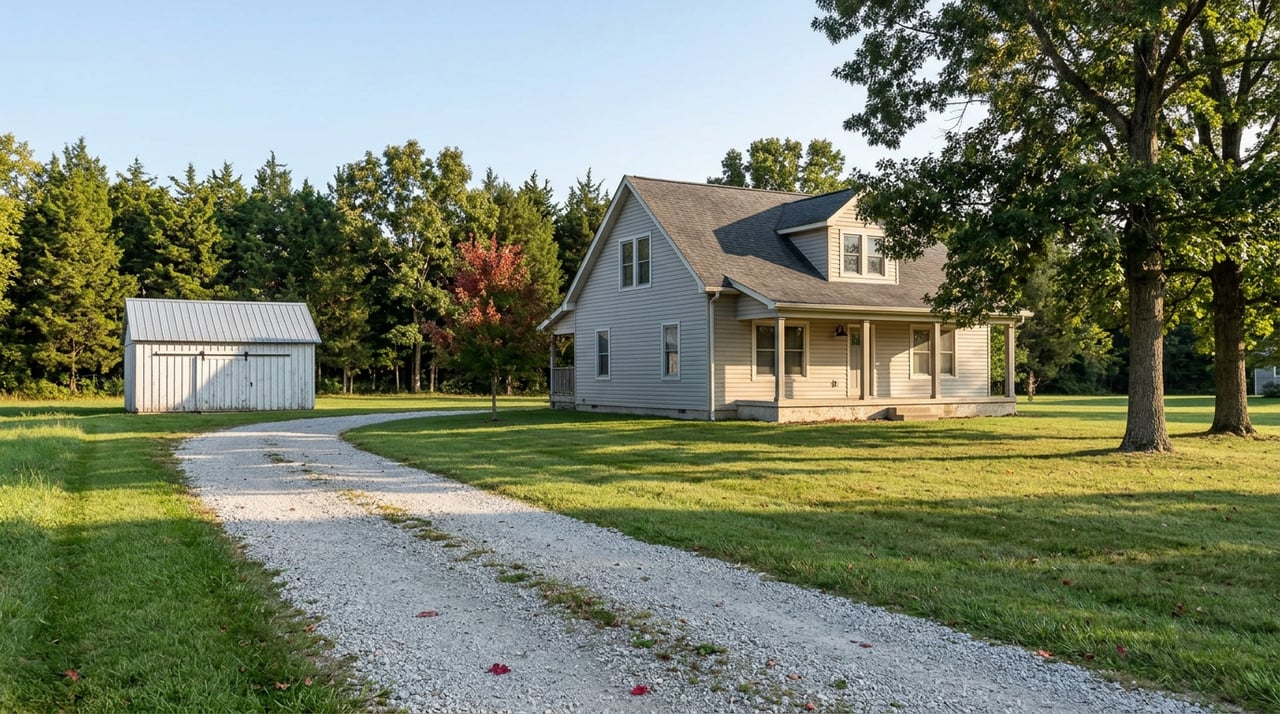
Dreaming of more space, starry nights, and room for your hobbies without losing touch with the DC metro? In Summit Point, you get a rural lifestyle with privacy and pasture while staying within a doable drive of major job centers. If you are weighing acreage living, you want the full picture on wells and septic, zoning rules, costs, and daily routines. This guide gives you practical steps, local context, and a buyer checklist so you can move forward with confidence. Let’s dive in.
Why Summit Point stands out
Space, privacy, and quiet
Summit Point sits in Jefferson County’s Eastern Panhandle, where many parcels range from a few to 10 or more acres. You will see wooded tracts, open pasture, and homes set far back from the road. Sidewalks and streetlights are rare, and private drives are common. The setting feels peaceful and private, which is exactly what draws many hobby-farm and acreage buyers.
Weekend fun nearby
Expect a strong outdoor lifestyle. On your own land, you might garden, keep a few animals, or explore your private trails. Close by, motorsports fans can catch events at Summit Point Motorsports Park. You are also a short drive from Harpers Ferry, Appalachian Trail access points, and local Wildlife Management Areas for hiking, paddling, and seasonal hunting. Note that event weekends may bring extra traffic and some noise near the track.
Daily life on acreage
Routines and errands
Living on land is hands-on. You trade a small yard for field mowing, fence checks, and tree care. Many routine errands and services sit in Charles Town or Martinsburg, including county offices, groceries, and health care. Plan for longer drives for some services, and keep a list of reliable local contractors for wells, septic, and grading.
Commuting realities
Summit Point is within the broader DC orbit. Many buyers report a 1.5 to 2 hour drive to parts of Northern Virginia or Washington, depending on destination and traffic. If you work hybrid or remote, you may find the drive manageable a few days a week while enjoying wide-open space the rest of the time.
What listings often include
Wells, septic, and soils
Outside town limits, most homes and buildable lots rely on a private well and an on-site sewage system. Jefferson County’s Environmental Health office issues the permits for both and keeps guidance for certified installers. Before you buy, confirm existing permits and performance, or make your offer contingent on testing and approvals through Jefferson County Environmental Health.
Soils drive what you can build and the type of septic system allowed. A preliminary soils screen through the NRCS Web Soil Survey plus a professional perc test helps you understand your options and risk.
Utilities and connectivity
Electric service is widely available, though remote tracts may need a line extension. Municipal water and sewer are not typical in unincorporated areas. Broadband and cell coverage vary by location, so verify provider options and speeds for the specific address before you commit.
Rules to know before you buy
Zoning and land use
Zoning and subdivision rules govern what you can build, where you can place it, and how you can use the land. Jefferson County publishes the controlling ordinances for unincorporated areas. Always confirm zoning, permitted uses, and any conditional-use requirements on the county’s Planning and Zoning Ordinances & Regulations page. Map designations and rules can change, so verify the most current version.
Permits and inspections
New builds and many structures require a county building permit through the Office of Permits & Inspections. Plans typically need to show the septic location, setbacks, and any floodplain constraints. If a parcel sits inside a town, check that town’s permitting process, since procedures can differ from the county’s.
Floodplains and streams
Low-lying acreage near creeks can fall inside mapped flood zones. Jefferson County enforces a Floodplain Ordinance with specific rules for building, fill, and elevation in these areas. Check FEMA maps and speak with the county floodplain administrator before finalizing a site plan.
Agricultural uses
Small-scale farming and keeping a few animals are common in rural zones. Larger commercial operations can trigger additional permits or state rules. If you plan more intensive agricultural activity, consult WVU Extension resources and confirm with county planning early. Start with the local office at WVU Extension — Jefferson County.
Upkeep and true cost of acreage
Maintenance to plan for
Vegetation management: field mowing, pasture care, and invasive plant control.
Fencing: install, inspect, and repair rail or woven wire fence to keep animals safe.
Driveways and drainage: grading, gravel refresh, culvert checks after storms.
Septic and well care: routine septic pumping every few years and basic well maintenance. Typical septic installs range from the low thousands into the five figures depending on soils and system type, according to HomeAdvisor’s cost guide. Pumping is usually in the low hundreds per service, with frequency based on household size and usage.
Equipment and contractors: plan for tractors, implements, chainsaws, and a budget for specialty pros like well drillers, septic installers, and fence crews. Jefferson County Health maintains certified installer lists and permit records through Environmental Health.
Health and safety on the land
Ticks are present in northern West Virginia, and Lyme disease risk has increased in recent years. Build tick checks and yard practices into your routine, and consider pet prevention. For context on regional trends, review this public health research on blacklegged ticks in West Virginia from the National Library of Medicine’s database: tick distribution and Lyme disease risk. If you rely on a private well, schedule periodic water testing.
Buyer checklist for Summit Point
- Confirm zoning and use. Verify whether the parcel is in unincorporated Jefferson County and check the current zoning district, setbacks, and permitted uses on the county’s Planning and Zoning page.
- Verify well and septic. Request well logs, permits, and any recent water test results. If no septic permit exists, make your offer contingent on a perc test and septic permit through Jefferson County Environmental Health.
- Screen soils and slopes. Run the parcel through the NRCS Web Soil Survey and follow up with a professional soils evaluation.
- Check floodplain status. Review FEMA maps and county rules in the Floodplain Ordinance and confirm requirements with the county floodplain administrator.
- Confirm access and easements. Make sure deeded road access and any shared drive agreements are recorded and acceptable to your lender.
- Verify utilities and connectivity. Ask electric and internet providers for address-level service and any required line or pole extensions.
- Review taxes and assessments. Obtain the current bill and assessment history through the Sheriff/Treasurer’s office listed on the county’s taxes page. Ask about any exemptions or ag-related programs that may apply.
- Line up local contacts. Save numbers for county Environmental Health, Planning & Zoning, a licensed well driller and septic installer, a local surveyor, and the WVU Extension — Jefferson County office for soils and small-farm guidance.
Is Summit Point right for you?
If you want land to breathe, space for hobbies, and an outdoor-forward lifestyle, Summit Point delivers. You gain privacy, pasture, and access to regional recreation. In return, you take on well and septic care, seasonal land work, and longer drives for some services. When you understand those tradeoffs and plan your due diligence, acreage living here can be deeply rewarding.
Ready to explore Summit Point acreage with a team that knows Jefferson County and the DC-to-WV move inside and out? Connect with The Viands Group for local guidance, property tours, and a process that keeps you two steps ahead from offer to close.
FAQs
How far is Summit Point from DC for commuters?
- Many buyers plan for about 1.5 to 2 hours to parts of Northern Virginia or Washington, depending on destination and traffic. Hybrid schedules often make the drive more manageable.
What should I know about wells and septic in Jefferson County?
- Most rural parcels use a private well and on-site septic. Permits and guidance run through Jefferson County Environmental Health. Make well yield, water quality, and septic permits part of your offer contingencies.
Are there floodplains on Summit Point acreage?
- Some low-lying tracts near creeks fall inside mapped flood zones. Review county rules in the Floodplain Ordinance and confirm requirements before siting any structure.
Can I keep horses or small livestock on a Summit Point property?
- Small-scale agricultural uses are common in rural zones, but larger commercial activity can trigger added rules. Confirm your plans with Planning & Zoning and use WVU Extension’s Jefferson County resources for best practices.
What are typical septic system costs for acreage buyers?
- Install costs vary by soil and system type, but many projects fall from the low thousands into the five figures per HomeAdvisor’s septic guide. Routine pumping is usually in the low hundreds per service, depending on household size.