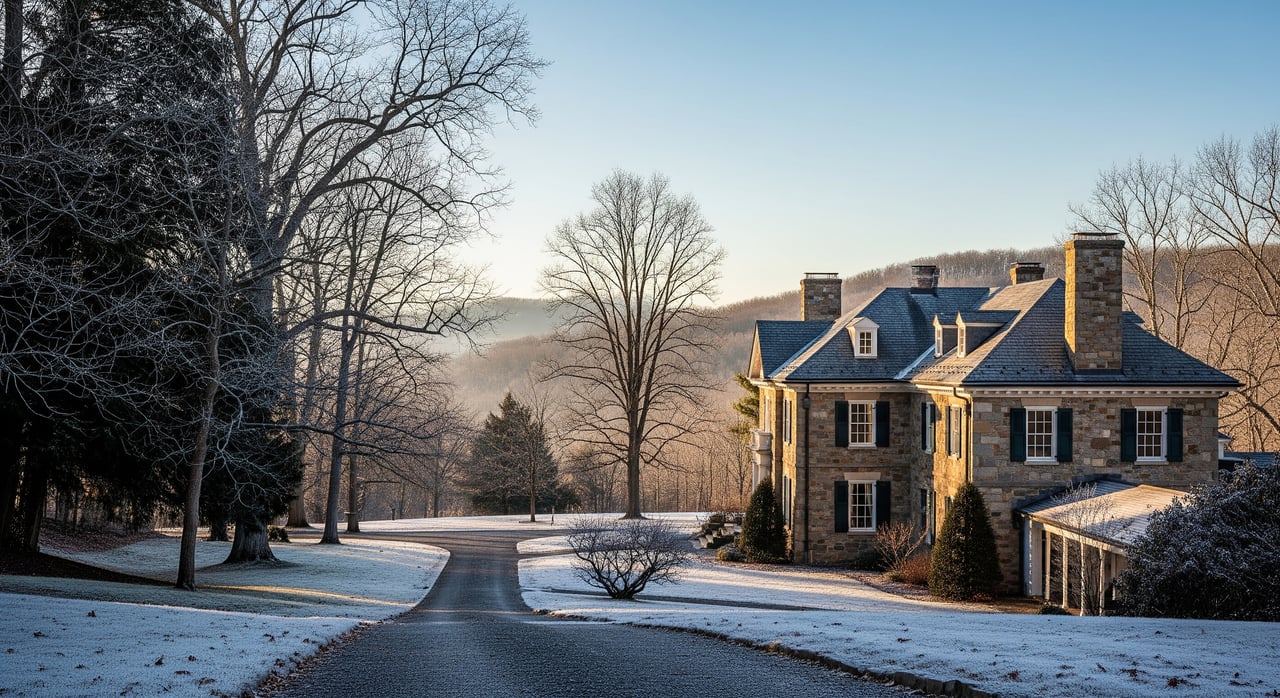
Wondering if braving the cold could pay off in Summit Point and greater Jefferson County? You are not alone. Many buyers assume spring is best, but winter often brings quieter competition and motivated sellers. In this guide, you will learn how seasonality affects pricing and leverage, what to watch for in rural properties, and a simple data checklist to decide if buying now makes sense for you. Let’s dive in.
Winter buying in Jefferson County
Winter usually means fewer active buyers touring homes, which lowers the chance of bidding wars. Sellers who list now often have a reason to move, so they may be more open to price adjustments or concessions. At the same time, you will see fewer new listings, so choices can be limited.
For you, the net effect can be more negotiating room on the right property. Your results depend on current interest rates and local trends, so pair smart strategy with fresh data.
How winter changes competition and pricing
Most markets see lower showings and offers in late fall and winter. That lighter demand can translate to longer days on market and price flexibility. Winter listing prices sometimes reflect seasonal pressure, and you may see more price reductions and seller credits.
Keep your eye on the big picture. Mortgage rates move with the broader economy, not with the seasons. Lower competition can help you win better terms, but your monthly payment still depends on your financing.
Local factors around Summit Point
Jefferson County has a strong mix of single-family homes, small farms, and historic properties. In rural areas around Summit Point, winter conditions can highlight maintenance issues and access challenges. Long driveways, private lanes, and unpaved roads are common. Snow and ice can make showings harder, which can reduce buyer traffic and increase your leverage if you are prepared.
You should also account for private wells and septic systems. Cold weather can expose issues with insulation, plumbing, and heating systems. These items are not deal breakers, but they are important to inspect well.
Negotiation strategies that work now
Use the season to your advantage with clear, respectful asks. Consider these levers:
- Price: If days on market are elevated or the home has had reductions, open below list based on comparable sales and condition.
- Repairs and credits: After inspections, ask for credits to address winter-sensitive items like heating performance, insulation, or well and septic findings.
- Closing timeline: Offer a quick close if the seller needs speed, or flexible timing if they need breathing room to move.
- Concessions: Request seller help with closing costs or a credit for a large propane or heating oil fill if tanks transfer with the property.
- Contingencies: Keep inspection and financing contingencies. In winter, many sellers will prioritize strong financing and reasonable terms.
Winter inspection priorities in rural homes
Inspections are your safety net, especially in cold months. Ask your inspector to focus on:
- Heating system performance, age, and maintenance history. Confirm oil or propane tank condition and fill status.
- Roof, attic, and insulation to spot heat loss, ice-dam staining, and ventilation issues.
- Plumbing and water lines for freeze risk or prior repairs. Look for heat tape on exposed pipes where appropriate.
- Well and septic systems. Follow seasonal testing guidance and involve specialists if needed.
- Driveway access, grading, and drainage. Snow and ice can reveal poor access or deferred maintenance that may affect safety and costs.
These findings can justify credits or repairs and help you plan realistic post-close improvements.
Use local data to decide
A winter search pays off when the local numbers point to more supply and slower pace. Before you write an offer, pull recent monthly metrics for Jefferson County and compare year-over-year winter figures. Focus on rolling 3 to 6 month trends to smooth small-market swings.
Buyer leverage checklist
If several of these are true, your winter leverage is likely improving:
- Months of supply above 6 months, which suggests a buyer-leaning market.
- Median days on market rising and above the recent norm, often 45 to 60 days or more locally.
- Sale-to-list ratio below 98 percent, signaling below-ask outcomes.
- A higher share of active listings with recent price reductions, such as more than 10 to 15 percent.
- Inventory of your target home type is stable or rising compared with late summer.
- Local economic factors or seasonal job shifts are producing motivated listings.
What to pull and compare
- Active inventory and new listings by month.
- Pending sales and closed sales to gauge demand.
- Median sale price and days on market, month and year-over-year.
- Sale-to-list ratio and counts of price reductions or withdrawals.
Use these indicators together, not in isolation, to shape your offer strategy.
Smart steps to buy this winter
You do not need perfect timing to make a great move. You need preparation.
- Get fully pre-approved. Low competition helps, but strong financing still wins.
- Set clear search criteria and stay alert. Winter inventory is limited, so act quickly on the right fit.
- Tour with seasonal eyes. Visit after a snowfall if possible to evaluate access, drainage, and heat performance.
- Negotiate with data. Use days on market and price-reduction history to explain your offer.
- Request credits or holdbacks for repairs that are hard to complete in cold weather.
- Budget for seasonal costs, including heating, snow removal, and driveway maintenance.
Real-world scenarios in Jefferson County
Here are two common winter patterns that can help you think through strategy. These are illustrative, not sales data.
- Charles Town commuter home: A January listing sits for several weeks with a couple of price reductions. You offer a few percent below list, ask for a modest closing credit, and propose a 30 to 45 day close. The seller accepts to avoid extra carrying costs.
- Summit Point acreage with outbuildings: A December listing gets minimal activity due to a long, icy drive. You focus due diligence on the roof, well and septic, and request a credit to address a septic issue found during inspections. Your offer below list is accepted with a repair credit at closing.
Is this winter your moment?
Buying in winter around Summit Point can reduce competition and open the door to better terms, especially on properties that have stayed on the market. Balance that advantage with careful inspections and a clear view of the local data. If the numbers show rising days on market, softer sale-to-list ratios, and meaningful price reductions, you can capture real value without waiting for spring.
When you want a calm, plan-first approach, work with a team that knows rural Jefferson County and the DC-to-WV commute dynamic. If you are ready to explore winter opportunities or compare timing options, connect with The Viands Group. We will help you read the market, craft a smart offer, and move forward with confidence.
FAQs
Is winter a good time to buy in Summit Point?
- Yes, winter often brings fewer competing buyers and more motivated sellers, which can improve your negotiating leverage if you are prepared and data-driven.
Will I see fewer home choices in winter?
- Typically yes. Listing volume tends to dip in winter, so you may have fewer options, but the homes on market can be more negotiable.
How do interest rates affect a winter purchase?
- Rates follow national market forces, not the seasons. Lower competition can help terms, but your monthly payment still depends on your financing.
What inspections are most important for rural Jefferson County homes in winter?
- Prioritize heating systems, roof and insulation, plumbing for freeze risk, well yield and septic function, and driveway access and drainage.
How much below list price should I offer in winter?
- Base your offer on local days on market, price-reduction history, and recent comparable sales. Aim for a fair discount supported by data and property condition.
Should I ask for credits instead of repairs in cold weather?
- Often yes. Credits or escrow holdbacks can be more practical when weather makes exterior or septic repairs difficult before closing.