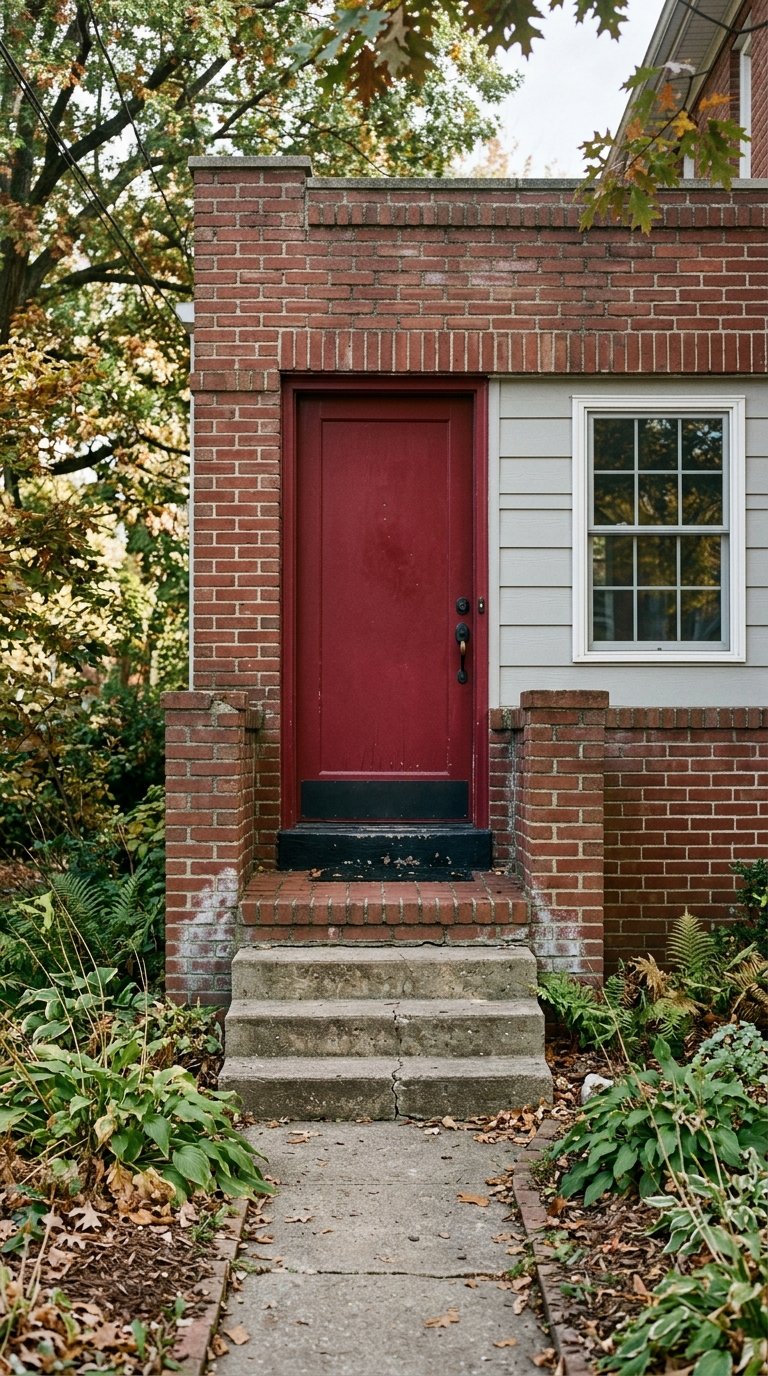
If you are comparing Charles Town to nearby West Virginia markets, it helps to know that “close by” does not mean “the same.” A few miles can change the feel of the housing stock, the pace of the market, and the kind of tradeoffs you are making as a buyer or seller. Understanding those differences can help you focus your search, price a home more accurately, and move with more confidence. Let’s dive in.
Charles Town's role in the region
Charles Town stands out as the regional middle ground among nearby Jefferson County markets. It is more established and conventional than some of the smaller nearby communities, but it still offers more character and place identity than a purely growth-driven search area.
That balance shows up in the housing data. Charles Town has 3,033 housing units, a 74.5% owner-occupied rate, and an 82% single-unit share. The median value of owner-occupied homes was $377,700, with median monthly owner costs of $2,093 for mortgaged households and median gross rent of $1,115.
Its recent pricing also lands near the center of the local range. Redfin reported a March 2026 median sale price of $367,000, while Zillow showed an average home value of $404,014 and homes going pending in about 20 days. Realtor.com placed the median listing price at $438,700 and described the market as balanced enough that both buyers and sellers may still have room to negotiate.
Charles Town also has a downtown historic overlay district, which supports its established small-city identity. In practical terms, that means you are not just choosing a price point here. You are often choosing a market with a more traditional town center and a broader, more standard housing base.
How Charles Town compares nearby
The easiest way to think about this local cluster is simple. Charles Town is the benchmark, Ranson is the value-and-growth option, Harpers Ferry is the character-and-scarcity option, and Summit Point is the acreage-and-niche option.
That matters because nearby markets can behave very differently. Inventory depth, housing style, pricing stability, and buyer expectations all shift from one town to the next, even within the same county.
Charles Town vs Ranson
Ranson is the clearest comparison if you want a practical, active search market with a growth story. ACS data show 2,469 housing units, a 72.4% owner-occupied rate, and a 75% single-unit share. The median owner-occupied value was $242,700, with median monthly owner costs of $1,602 for mortgaged households and median gross rent of $1,536.
QuickFacts also shows that Ranson’s July 1, 2025 population estimate was up 25.8% from April 1, 2020. That kind of growth helps explain why Ranson often feels more expansion-oriented than Charles Town.
At first glance, the pricing can seem a little surprising. Redfin reported a March 2026 median sale price of $389,000 in Ranson, which was above Charles Town’s $367,000, even though Ranson’s owner-occupied value data are lower. That difference is a good reminder that recent sales and longer-term housing stock measures are not the same thing.
Ranson also appears to offer more active search inventory. Realtor.com reported 269 homes for sale and a median list price of $350,000. Redfin said homes were staying on the market about 31 days and getting roughly 7 offers.
If Charles Town feels more established and middle-of-the-road, Ranson feels more value-driven and growth-focused. For buyers, that may mean more options and a more practical search process. For sellers, it can mean competing in a more active market where pricing and presentation still matter.
Charles Town vs Harpers Ferry
Harpers Ferry is a very different comparison. It is much smaller, much more limited in housing supply, and more shaped by setting and character than by conventional market volume.
Census Reporter shows just 215 housing units in Harpers Ferry, with an 80% owner-occupied rate and a 92% single-unit share. The median value of owner-occupied homes was $529,100, and the mean commute time was 41.2 minutes. Those numbers point to a tiny market with a strong detached-home profile and a more limited supply of comparable properties.
The setting is also part of the story. The National Park Service highlights Harpers Ferry National Historical Park for its historic significance, river confluence, and access to trails, biking, climbing, fishing, and other outdoor recreation. That makes Harpers Ferry feel more lifestyle-driven than Charles Town.
Its market stats also require a little more caution because the housing stock is so small. Redfin reported a March 2026 median sale price of $343,000, while Realtor.com showed a median home price of $470,000, about $227 per square foot, and a 99% sale-to-list ratio. In a market this small, a few unique closings can shift the numbers quickly.
Compared with Harpers Ferry, Charles Town offers more standard pricing patterns, more housing depth, and a more conventional day-to-day market. Harpers Ferry, by contrast, tends to appeal more when the setting, historic feel, or one-of-a-kind property matters most.
Charles Town vs Summit Point
Summit Point is the least standardized market in this group. If Charles Town gives you a broader sample of homes and more conventional comparisons, Summit Point gives you a much thinner pool where lot size, privacy, and specific property features tend to matter more.
Realtor.com reported only 6 active listings in the area and 0 rentals, while Zillow showed an average home value of $459,800, up 2.9% over the past year. Many standard market fields are suppressed or unavailable, which reflects just how limited the inventory is.
Because of that, Summit Point is best viewed as a niche market rather than a broad one. It appears to be more detached-home oriented and more rural in feel, with listing examples that point to larger lots and more privacy-focused properties.
For buyers, that can be appealing if land and separation are top priorities. For sellers, it usually means pricing has to be anchored very carefully to the few truly comparable sales that exist. Charles Town is usually easier to analyze, while Summit Point often requires a more tailored approach.
What buyers should take from this
If you are choosing between these nearby markets, the best fit usually comes down to the tradeoff you care about most. Price, housing variety, character, and privacy are not distributed evenly across this area.
Charles Town works well if you want a middle-ground option. It offers a more conventional housing base than Harpers Ferry and Summit Point, while feeling more established and place-specific than Ranson.
You may prefer Ranson if your priority is value, newer-feeling growth patterns, or a broader active search inventory. You may prefer Harpers Ferry if the setting and limited, character-driven inventory matter more than standardized comps. You may prefer Summit Point if acreage and privacy matter more than selection.
A simple way to frame it is this:
- Choose Charles Town if you want balance, an established setting, and a broader buyer or seller pool.
- Choose Ranson if you want a growth-oriented market with practical search options.
- Choose Harpers Ferry if you want a small, distinctive market shaped by history and outdoor access.
- Choose Summit Point if you want a rural, limited-inventory market where land and privacy lead the decision.
What sellers should know
For sellers, Charles Town has an important advantage. It has enough housing stock and transaction depth to support more standard pricing and marketing strategies than the smaller nearby markets.
That does not mean preparation matters less. It means the market often gives you a clearer lane for comp selection, pricing strategy, and buyer targeting. In a market with a more conventional housing profile, buyers can compare homes more easily, so presentation and positioning still need to be sharp.
By contrast, sellers in Harpers Ferry and Summit Point often need a tighter strategy around unique features, lot setting, and property condition. In those smaller markets, a home may be attractive for very specific reasons, which can narrow the buyer pool and make polished presentation even more important.
Ranson sits somewhere in between. It can offer a practical pool of buyers and inventory, but the growth-oriented feel means sellers still need to compete thoughtfully on price, timing, and how the home is presented.
Why Charles Town often wins the middle
Charles Town is not the cheapest, the most historic, or the most rural option. That is exactly why it works for so many people. It gives you a stronger sense of balance across price, inventory depth, housing type, and everyday convenience.
Its mean commute time of 36.2 minutes also supports its role as a market with meaningful commuter demand, without making it feel defined only by commuting. That helps explain why Charles Town often appeals to move-up buyers, relocating households, and sellers who want access to a broader audience.
In other words, Charles Town is often the market people land on when they want a little bit of everything. It is established without being tiny, active without being overly narrow, and specific enough to feel like a real place rather than just a search radius.
If you are weighing your next move in Jefferson County, understanding those distinctions can save you time and help you make a cleaner decision. And if you are preparing to sell, it can help you position your home against the right competition from day one.
When you want clear guidance on how Charles Town stacks up against nearby markets, The Viands Group can help you compare options, price strategically, and move forward with confidence.
FAQs
How does Charles Town compare to Ranson for homebuyers?
- Charles Town is generally the more established middle-ground market, while Ranson feels more growth-oriented and value-driven, with more active inventory and a strong recent population growth trend.
How does Charles Town compare to Harpers Ferry for buyers seeking character?
- Charles Town offers a more conventional housing base and more standard market patterns, while Harpers Ferry is smaller, more limited in supply, and more influenced by historic setting and outdoor access.
How does Charles Town compare to Summit Point for rural property searches?
- Charles Town provides a broader and easier-to-compare housing market, while Summit Point is a thin, niche market where acreage, privacy, and careful comp analysis matter more.
Is Charles Town a balanced housing market in 2026?
- Recent market snapshots suggest Charles Town is relatively balanced, with a March 2026 median sale price of $367,000 and market conditions where buyers and sellers may still have room to negotiate.
What should Charles Town sellers know about nearby competition?
- Sellers in Charles Town should know that nearby markets are not interchangeable, and Charles Town’s larger, more conventional housing base usually supports more standard pricing and marketing strategies than smaller neighboring markets.