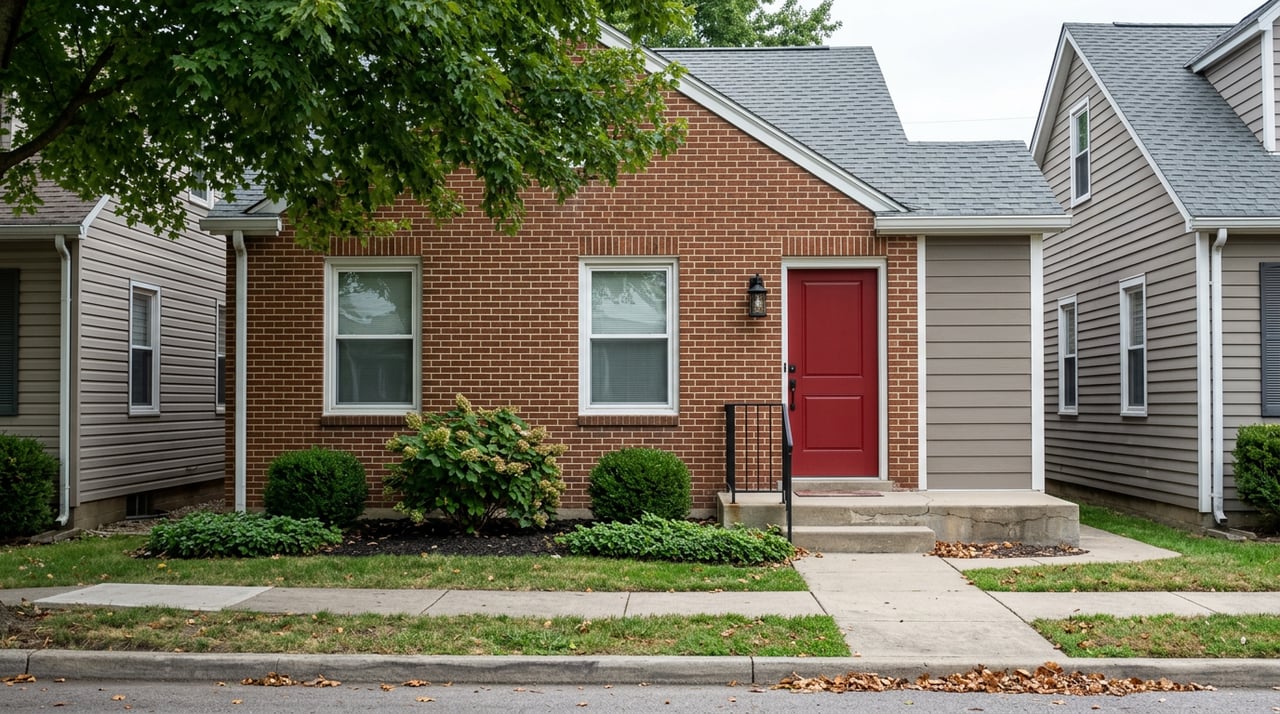
Thinking about selling your home in Charles Town and wondering how to stand out in a sea of online listings? You are not alone. With buyers starting their search on their phones, the way your home looks and how far your marketing travels can shape your final price and days on market. In this guide, you will see exactly how a boutique, marketing-led approach can help your Charles Town property shine, reach DC-area buyers, and convert attention into offers. Let’s dive in.
Why boutique marketing works here
Most buyers start their home search online, which means your listing’s photos, video, and floor plan do the first round of selling. According to the National Association of REALTORS, the internet is the top source where buyers found the home they purchased, and visual media is among the most useful content buyers rely on during their search. You win attention by presenting your home with clarity, beauty, and complete information. NAR quick stats
Charles Town sits inside the Washington–Arlington–Alexandria metro area, which opens your listing to a larger buyer pool beyond Jefferson County. Many buyers weigh commute times, remote-work flexibility, and value compared to closer-in DC suburbs. Amplifying your listing across the Washington MSA can materially increase exposure and showing traffic. BLS metro delineation
Price and timing context
Local portal snapshots show the story behind demand. Redfin’s February 2026 view placed the median sale price in Charles Town near $345,000 with listings taking roughly 94 days on market in that snapshot. Zillow’s February 28, 2026 view showed a median list price around $396,447, which reflects active asking prices rather than closed sales. Realtor.com’s Jefferson County overview reported a recent county-level median sale price around $409,495. Different methods explain the spread. Use them as guardrails to set a data-informed strategy, not as one-size-fits-all targets.
What boutique marketing includes
A boutique plan brings together elevated presentation, focused distribution, and measurable follow-up. Here is what that looks like in practice.
Visual storytelling that stops the scroll
- Professional photography. Clean, high-contrast images, twilight exteriors, and selective drone shots help your listing lead online. Industry analyses show professional photos correlate with higher click rates and shorter time on market. Photography impact summary
- 3D and video tours. Matterport-style tours and guided walkthroughs help remote and commuting buyers evaluate layout before visiting, which reduces no-shows and focuses showings on serious prospects. NAR surveys rank virtual media among the most useful tools for buyers. NAR quick stats
- Measured floor plans. Accurate square footage breakdowns and room dimensions answer practical questions buyers ask before they book.
- Strategic staging. Staging helps buyers visualize how to live in a space. NAR’s 2023 Profile of Home Staging reports that sellers’ agents often see reduced time on market and, in some cases, offers increasing by 1 to 5 percent compared to unstaged neighbors. Focus on living areas, the kitchen, and the primary suite for the best return. NAR 2023 Profile of Home Staging
A dedicated property website
A single-property website centralizes everything buyers need: hero photography, video, 3D tour, floor plan, features list, and a downloadable brochure. It gives you a clean URL for print flyers and signs, and it supports pixel tracking for retargeting across Google and Meta. Vendors highlight microsites as a way to cut through noise and capture direct leads you control. Why single-property sites help
Cross-border reach to DC buyers
- MLS syndication. Bright MLS distribution ensures buyer agents across the region can find and show your home. This is your baseline.
- Geotargeted ads. Paid social and search campaigns targeted to the Washington MSA and 30 to 90 minute commute radii put your property in front of relocation and commuter audiences. Send this traffic to your property website where they can book a tour or ask questions.
- Agent-to-agent outreach. A curated broker preview or agent open house builds early momentum and encourages qualified showings out of the gate.
- Measurable follow-up. Use retargeting to stay in front of everyone who visited your property site and did not schedule a tour.
Launch plan and timeline
A well-run listing follows a clear arc: prepare, launch, optimize. Expect 2 to 3 weeks of prep, then a focused first two weeks post-launch.
Weeks −2 to 0: Prepare and produce
- Pricing strategy. Use recent Charles Town comps and list-versus-sale data from current portals to set a range that fits your home’s condition and upgrades.
- Declutter and repairs. Tackle easy fixes and any items that could block financing or distract during showings.
- Staging plan. Choose in-home or virtual staging with a focus on the rooms buyers value most. NAR staging findings
- Media production. Book professional photography, 3D tour, and a twilight exterior if curb appeal will shine at dusk. Photo impact overview
- Marketing build. Create the single-property website, a printable brochure, a 60 to 90 second listing video, and short-form reels. Map paid audience segments and write ad copy. Microsite benefits
Launch day: Go live with intention
- List on the MLS at a strategic time to align with buyer browsing patterns.
- Activate paid campaigns that direct to your property website. Prioritize a 7 to 10 day awareness push with retargeting.
- Send an agent email to top-producing contacts in the Washington MSA, plus your buyer database. Include the brochure and a private-showing link.
First two weeks: Optimize and convert
- Review your metrics every 2 to 3 days. Look at listing views, property-site visitors, video watch time, ad click-through rates, and cost per lead.
- Adjust creative if needed. Swap hero photos, tighten ad headlines, and refresh thumbnails to improve engagement.
- Host the right events. If your price point and location support it, consider an open house; for higher-end or unique homes, lean into private previews and qualified showings.
What you should measure
Sellers deserve proof, not guesswork. Track these key performance indicators and ask for weekly updates in the first two weeks.
- Portal listing views and saves
- Unique visitors to your property website
- Video view-through rate and average watch time
- Leads per week and inquiry-to-showing conversion
- Showings-to-offers conversion
- Days on market
- Final sale price versus list price
Why this matters in Charles Town
Charles Town serves buyers who want value with metro access. It sits about 65 miles from downtown Washington, D.C., close enough for hybrid commutes and far enough to offer more space for the price. Jefferson County planning documents also show a healthy local economic base, with median household income that trends higher than many West Virginia counties, and a population in the 50,000 to 60,000 range. That mix attracts both local move-ups and DC-area relocations. County planning overview
When your listing pairs luxury-grade presentation with cross-border reach, you meet both audiences where they are. The result is more qualified eyeballs, better showing conversion, and stronger leverage when offers come in.
Will this investment pay off?
The right marketing is not fluffy. It solves real buyer needs. NAR data shows buyers rely on online visuals to shortlist homes, and their staging research ties presentation to shorter market times and, in some cases, modest price lifts. Industry photo studies point to higher clicks and faster sales when listings use professional imagery.
Every property is unique, and results vary with price band and timing. The goal is to control what you can control. By elevating how your home looks, how far it is seen, and how quickly you follow up, you stack the odds in your favor while the market sets the final price.
What you get with a boutique team
- A coordinated plan, not piecemeal tasks
- Clear project management from pricing to closing
- Luxury-level media and copywriting at every price point
- Cross-border licensing and targeting across MD and WV
- Transparent reporting so you always know what is working
Ready to see how this looks for your address? Request a complimentary pricing analysis and a custom boutique marketing plan with itemized staging, photography, and ad budgets. If you want to explore timing options or a private sale path, we can model those too. Connect with The Viands Group to get started.
FAQs
How does boutique marketing help a Charles Town seller?
- It improves your listing’s first impression, expands reach into the DC metro, and uses measurable campaigns that convert online interest into showings and offers.
What specific media should my listing include?
- Professional photos, a 3D tour, measured floor plan, a 60 to 90 second video, and a dedicated property website with a downloadable brochure and clear call-to-actions.
Do staging and pro photos really pay for themselves?
- NAR’s 2023 staging report shows shorter time on market and, in some cases, offers 1 to 5 percent higher; industry photo studies tie pro images to higher engagement and faster sales.
How do you reach DC-area buyers for a Charles Town home?
- Syndicate through Bright MLS, run geotargeted social and search ads across the Washington MSA, retarget property-site visitors, and invite regional agents to curated previews.
What should I track once my home is live?
- Monitor listing views and saves, property-site visitors, video watch time, ad click-through and cost per lead, inquiries-to-showings, showings-to-offers, days on market, and sale-to-list ratio.